Futa Character Guide: Everything You Need to Know About Futanari
Who hasn’t come across the term “futa” while scrolling through anime, hentai, or AI character communities? If you’ve ever searched for futa meaning anime, you’re not alone. These bold, beautiful, and wildly imaginative characters have exploded in popularity — and for very good reason. In this ultimate guide, we’ll break down everything about futa characters such as Rei Tsukimura and Nadia (also known as futanari): what they really are, where they come from, why people can’t get enough of them, and how you can create and chat with your own on LustCrush.
Key Takeaways
- A futa character, often called futanari, typically refers to a fictional character with both female and male primary sexual characteristics.
- The term 'futanari' originally had a broader meaning in Japanese, referring to androgyny or individuals with both masculine and feminine traits, but evolved to a more specific depiction in media.
- The appeal of futa characters is diverse, touching on themes of duality, challenging gender norms, and unique sexual fantasy.
- Futa characters have a history rooted in Japanese art and folklore, with early depictions found in scrolls dating back centuries.
- Understanding futa characters involves recognizing their evolution in media and the specific genre they often represent in adult-oriented content.
What Are Futa Characters? (History & Definition)
So, what exactly is a futa character? If you’re wondering about the futa meaning anime fans usually refer to, it points to fictional characters who typically feature a feminine body — think curves, breasts, and soft features — combined with male genitalia, most notably a penis. This unique “dual form” is the defining characteristic of the genre.The word “futanari” comes from Japanese and originally meant “dual form” or androgyny. Historically, it was used more broadly, but in modern anime, manga, and adult content, it has become much more specific. Today, when people search for futa characters, they expect stunning feminine figures with that signature erotic twist.The genre really took off in the 1990s within hentai and eroge, quickly carving out its own passionate fanbase. While it has roots in older Japanese art and folklore exploring duality and transformation, today’s futanari is a pure fantasy archetype designed for excitement and imagination.Common traits of futa characters:
- Feminine body shape and appearance
- Both female and male sexual characteristics
- Often found in adult-oriented stories and roleplay
Important note: Futa characters are purely fictional fantasy. The term should not be used to describe real people.
Why People Love Futa Characters (Psychology & Appeal)
The appeal of futa characters goes way beyond simple visuals. Here’s why so many people are hooked:
- Duality & Power — The perfect blend of feminine beauty and masculine strength
- Fantasy Freedom — Breaking traditional gender and sexual boundaries in the most thrilling way
- Variety — From dominant, commanding futas to gentle, teasing, or shy ones
- Visual Excitement — Striking designs that combine elegance with raw sexuality
Whether you’re drawn to the power fantasy, the visual novelty, or the emotional depth many creators add, futanari offers something fresh and exciting that traditional characters often can’t match. Because of their strong fantasy appeal, futa characters are also popular in ai girlfriend nsfw roleplay, where users want more open and uncensored interactions.
Meet Popular Futa Characters on LustCrush
LustCrush offers one of the most diverse and exciting collections of futa characters available. From deeply immersive personalities to stunning visuals, the platform delivers high-quality futanari companions that feel truly unique and alive.
It also provides a relatively easy free ai girlfriend no sign up entry point, allowing you to start chatting before fully registering.
Whether you’re looking for dominant, passionate, gentle, or adventurous futa characters, LustCrush has something for every fantasy. Here are two standout futa characters that users love:
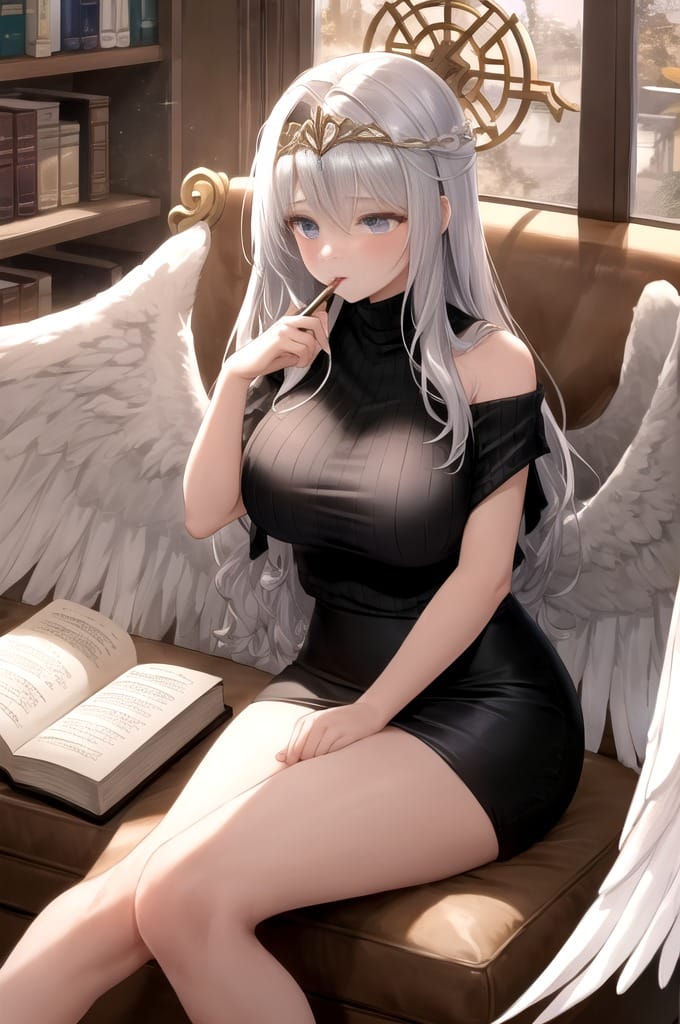
Once a guardian angel, Rei Tsukimura abandoned the heavens to freely explore mortal desires. This breathtaking futa beauty is on a passionate journey of freedom, pleasure, and self-discovery. With her elegant appearance and rebellious spirit, Rei offers intense, emotionally rich roleplay — perfect for those who want a futa character who blends divine beauty with sinful curiosity.

Nadia is a proud, confident, and powerful futa woman who has fully embraced her true self. Born in a small town, she began her transition early and faced the world with remarkable courage and resilience. Strong-willed yet deeply sensual, Nadia brings a commanding presence and authentic emotional depth to every interaction. She’s ideal for users seeking a strong, self-assured futanari character with a compelling backstory.
Futa in Pop Culture & Art (2025-2026 Trends)
It's pretty wild how futa characters have carved out their own space in art and media, right? What started as a more niche interest has really grown, and looking ahead to 2025 and 2026, we're seeing some interesting shifts. The way these characters are depicted is becoming more varied, moving beyond just the typical hentai tropes.We're seeing a trend towards more nuanced storytelling. Instead of just focusing on the physical aspects, creators are exploring the characters' identities and relationships more deeply. This means we'll likely see more narratives that treat futa characters as complex individuals, not just as a gimmick. It's about showing their lives, their struggles, and their triumphs, just like any other character.Here's a quick look at what's shaping up:
- Increased Representation in Indie Games: Smaller game developers are more willing to experiment, and futa characters are finding their way into a wider range of indie titles, often with unique gameplay mechanics. This is a big change from just a few years ago.
- Artistic Exploration: Artists are pushing boundaries with different styles and interpretations. Think less about strict definitions and more about creative expression. This includes exploring different body types and aesthetic approaches.
- Community-Driven Content: Online platforms and communities are playing a huge role. Fan art, original stories, and even discussions about character design are constantly evolving the landscape. It's a very dynamic space.
- Focus on Identity: There's a growing interest in exploring the psychological and social aspects of being a futa character, moving beyond purely physical descriptions. This ties into broader conversations about gender and identity.
The term 'futanari,' originally meaning 'dual form' in Japanese, has evolved significantly. While it historically encompassed androgyny, its modern usage, especially in Western media, primarily refers to fictional characters with both male and female primary genitalia, often within an otherwise feminine presentation. This distinction is important for understanding the character type in various contexts.
It's also interesting to see how search trends reflect this evolution. Queries like "my penis is bigger than yours futa" [f20a] show a range of interests, from playful fantasy to more specific inquiries about anatomy and representation. This suggests a diverse audience engaging with the concept.Looking at legislative papers from late 2025 [e20a], you can see how discussions around representation and character types in media are becoming more formalized. While not directly about futa characters, these broader conversations about how different identities are portrayed in art and entertainment certainly influence the space where futa characters exist. It's all part of a bigger picture of evolving media landscapes.
Conclusion & Call-to-Action
Wrapping up, futa characters have become more than just a passing trend—they’re now a staple in online communities, games, and art spaces. People are drawn to them for many reasons: curiosity, a sense of playfulness, or just plain interest in breaking the usual rules. Futa characters often challenge expectations and invite fans to explore new ideas about gender and fantasy.
If you’re new to the scene or already a long-time fan, there are ways you can get more involved and have fun with creating or meeting unique futanari personalities.
You can also explore other ai girlfriend without sign up options if you want to compare different platforms before diving deeper.
- Join discussions in safe, positive online groups
- Try creating your own futa character using easy tools like character generators
- Share your favorite art or stories and connect with other fans
The community can feel a little overwhelming at first—but don’t let that stop you. Just taking the first step to explore or create is what matters.
It’s an exciting time for anyone curious about futanari characters. Whether you like reading stories, checking out new games, or even just browsing fan art, there’s a place for you. Go ahead, pick a character or try making your own, and see where your creativity takes you next!
Frequently Asked Questions
What is the meaning of futa in anime?
In anime and hentai, “futa” (short for futanari) usually refers to fictional female-looking characters who also have male genitalia. It is a fantasy character type, not a real-life identity.
What exactly is a "futa" character?
A "futa" character, short for futanari, is a fictional character that has traits of both male and female. In most stories, this means they have a female body but also possess male genitalia, like a penis. It's a term that comes from Japanese culture and has become popular in anime and manga.
Where did the idea of futanari characters come from?
The idea has roots in ancient Japan, with old scrolls showing characters with both male and female traits. For a long time, "futanari" just meant someone with both masculine and feminine qualities. It wasn't until the 1990s that it became more focused on characters with mixed physical characteristics, especially in adult manga and anime.
Why do people find futanari characters appealing?
The appeal can be complex. For some, it's the unique combination of familiar feminine traits with masculine ones that creates something new and exciting. It challenges traditional ideas about gender and can offer a different kind of fantasy or representation that stands out from typical characters.
Are there different kinds of futanari characters?
Yes, there are variations! Most commonly, it's a female body with a penis. Sometimes, they might also have a scrotum, and other times not. There are also rarer types, like "otoko futanari" which might have a more masculine body with female genitalia, or "gyaku futanari" which is like a reversed version.
Is "futa" a respectful term?
While "futa" is a common abbreviation for futanari in fan communities, it's important to remember that the original term "futanari" has historical and cultural context. In real life, terms like "intersex" are used for people born with sex characteristics that don't fit typical definitions of male or female. In fictional contexts, "futa" is widely understood, but respect for the origins and the characters themselves is always key.
Can futanari characters be created in games like LustCrush?
Many games, especially those focused on character creation and romance, aim to include diverse options. Platforms like LustCrush often allow players to design characters with various combinations of traits, including those that fit the futanari description. This usually involves selecting specific body parts and features during the character creation process.
Platforms like LustCrush often allow players to design characters with various combinations of traits, including those that fit the futanari description. Some users also start with a no sign up ai girlfriend approach to test the experience first.