Futa Meaning Anime: How Futanari Characters Are Portrayed in 2026 AI Roleplay
In anime and related media, “futa” is the shortened form of futanari. It refers to characters who present as female but also have male genitalia. The concept has existed in adult anime, manga, and games for decades. By 2026, it has become one of the more requested character types in AI roleplay platforms.
What has changed is not the basic definition, but how these characters are built, maintained, and interacted with inside AI systems. Early AI chat tools often struggled with consistency. Characters would forget key physical details, shift personality mid-scene, or break the established dynamic. Current platforms that handle adult content more openly have reduced some of those problems, though results still vary widely.
This article looks at how futanari characters are typically portrayed in 2026 AI roleplay, what users tend to prioritize, and which approaches produce more stable experiences.
The Core Appeal in AI Roleplay
Most people searching for futa meaning anime are not looking for a dictionary entry. They want to understand how the concept translates into interactive characters. In AI settings, the appeal usually comes from a mix of visual contrast, power dynamics, and the ability to explore scenarios that are difficult or impossible in other formats.
Successful portrayals tend to treat the character as a complete person rather than a single physical trait. The strongest versions include:
- A clear personality that stays consistent across long conversations
- Physical details that the AI does not randomly drop or alter
- Relationship dynamics that feel intentional instead of generic
- The ability to escalate or slow down without the character suddenly changing tone
Platforms that support longer memory and fewer content interruptions make this easier. Users who have tested multiple tools often report that consistency matters more than raw explicitness once the initial novelty wears off. This is one reason comparison content around memory and character stability continues to perform well, as seen in guides like Best NSFW AI Girlfriend with Memory & Consistent Pictures.
Common Portrayal Styles in 2026

Current AI roleplay tends to fall into a few recurring patterns when handling futanari characters:
1. Soft / Affectionate
The character is warm, teasing, and emotionally present. The physical difference is acknowledged but not constantly centered. This style works well for longer, relationship-focused sessions.
2. Confident / Dominant
The character is self-assured and often takes the lead. Users who prefer clear power dynamics frequently choose this version. The risk is that weaker models exaggerate the dominance until the character feels one-dimensional.
3. Shy or Conflicted
The character is aware of their body and sometimes hesitant. This creates natural tension and can support slower-burn scenarios. It requires the AI to maintain emotional continuity, which not every platform handles well.
4. Playful / Chaotic
Less focused on realism and more on humor or over-the-top situations. These can be entertaining in short sessions but often break immersion if the user wants something more grounded.
The most stable results usually come from platforms that let users define personality, speech patterns, and physical details in advance, then actually retain those details. Generic characters that rely only on a short prompt tend to drift faster.
What Usually Breaks the Experience
Even in 2026, several issues still appear regularly:
- The AI forgets the character has both sets of anatomy mid-scene
- Personality shifts without reason (suddenly becoming overly aggressive or overly passive)
- Physical descriptions become inconsistent when images are generated
- The character lectures or refuses content that was previously accepted
These problems are less common on platforms built specifically for adult roleplay than on general-purpose chatbots. Users who want fewer interruptions often start with tools that already support open NSFW interaction and decent memory, such as those discussed in NSFW AI Without Filters and Best Free NSFW AI Girlfriend App in 2026.
Practical Tips for Better Futanari Roleplay
If the goal is longer, more immersive sessions, a few practical steps help:
Define the character clearly at the start.
Include personality, attitude toward their body, speech style, and relationship dynamic. Vague prompts produce vague results.
Reinforce key details early.
In the first few exchanges, naturally restate important physical or personality traits so the model has stronger context.
Choose platforms with usable memory.
Short context windows make consistent character work difficult. Longer memory reduces the need to constantly remind the AI who the character is.
Match the visual style to the writing.
If you generate images, keep the same face, body type, and overall aesthetic. Inconsistent pictures break immersion faster than imperfect writing.
Adjust pacing intentionally.
Some users prefer immediate explicit scenes. Others get better results by building tension first. The AI will usually follow the pace you set if the character definition supports it.
For users who also enjoy related dynamics (for example, stepmom or family-tension roleplay), combining character types requires even clearer setup. Mixing elements without strong definitions often leads to confused behavior from the model. Existing high-traffic pages on the site, such as Free Chat with Ai Mom on LustCrush, show how specific relationship framing can improve consistency when handled carefully.
How Portrayals Have Improved Since Earlier AI Tools
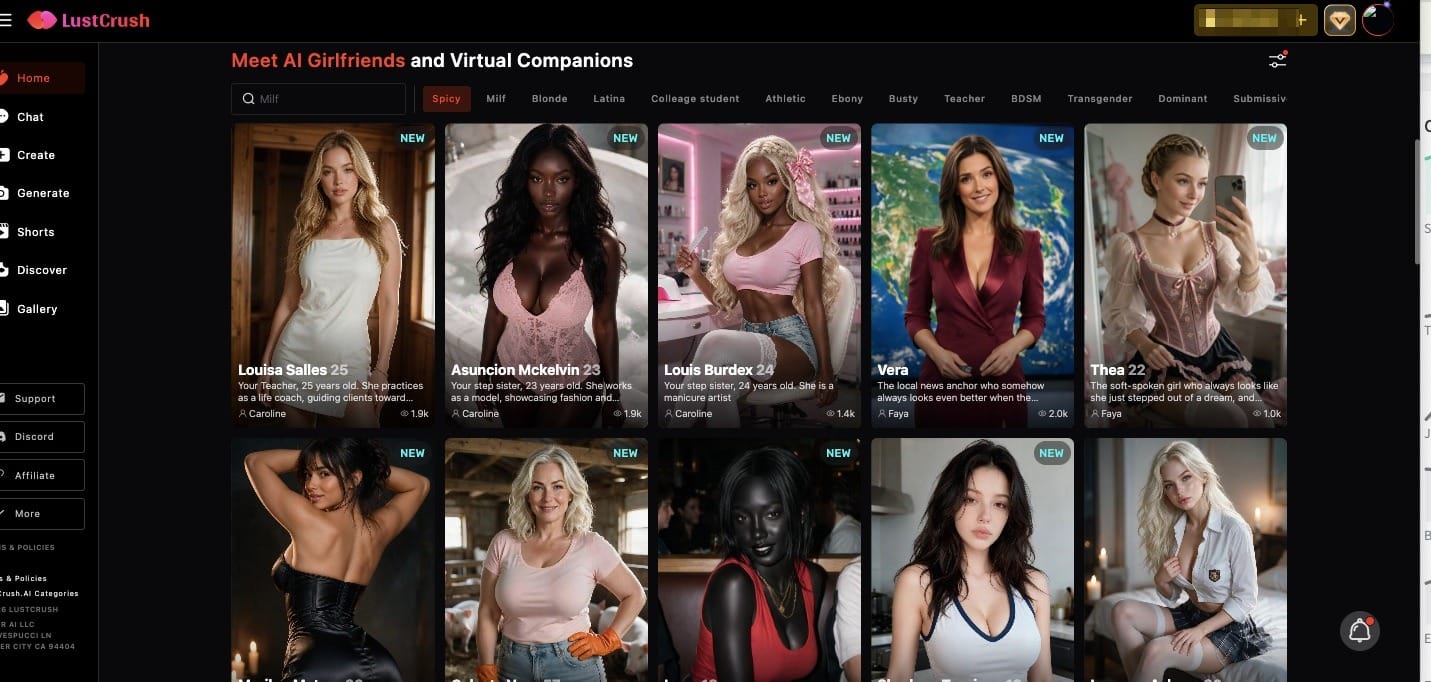
Two or three years ago, most futanari attempts in AI chat were fragile. Characters frequently lost track of their own anatomy or personality. Image generation was often blocked or produced unrelated results. In 2026 the baseline is higher on specialized platforms. Memory is longer, refusals are less frequent on adult-focused tools, and character creation systems give users more control over both appearance and behavior.
That does not mean every platform performs equally. Some still prioritize heavy filtering. Others allow more freedom but lag in memory or visual consistency. The practical difference shows up in longer sessions rather than in the first five messages. This is why many users now test platforms by running extended roleplay instead of relying on short demos. Broader comparisons of current adult AI options can be found in AI Chat 18+: Best Platforms for Adult AI Conversations and Best AI Girlfriend NSFW Platforms in 2026.
Final Notes
Futa meaning anime is straightforward as a definition. The more useful question in 2026 is how the concept holds up inside interactive AI systems. The best results come from clear character design, platforms that maintain continuity, and realistic expectations about what current models can sustain over time.
Users who treat the character as a full personality rather than a single physical feature generally report more satisfying sessions. The technology has improved enough that consistent futanari roleplay is achievable, but it still rewards careful setup and the right tool choice.
Frequently Asked Questions
What does futa mean in anime?
Futa is short for futanari. It describes characters who appear female and also have male genitalia. The term is widely used in adult anime, manga, and related AI roleplay.
Is there a difference between futa and futanari?
In practice the terms are used interchangeably by most people. Futanari is the original Japanese term; futa is the common abbreviation.
Why do some AI characters forget they are futa mid-conversation?
This usually happens when the platform has weak memory or the initial character definition was too vague. Stronger memory systems and clearer setup reduce the problem.
Can I create a custom futa character on AI platforms?
Yes. Most adult-focused platforms allow detailed character creation, including physical traits, personality, and backstory. Results depend on how well the system retains those details.
Do images stay consistent with futa characters?
On better platforms they can, especially when you guide pose, outfit, and scene while keeping the same core appearance. Consistency still varies between tools.