Why Comparison Pages and Niche Guides Still Drive AI Companion Traffic in 2026
I used to think the future of AI companion traffic would belong entirely to big homepage keywords.
Type “AI girlfriend,” land on a giant platform page, convert, done.
That is not what the last year actually looked like.
A lot of the traffic that stays, clicks through, and turns into real usage still comes from two less glamorous places:
- comparison pages
- niche character guides
Not because they are prettier.
Because they match how people decide.
If you have been watching this category closely, you have probably noticed the same pattern. Broad terms get impressions. Specific pages get intent.
People do not start with brand loyalty
Most users do not open their browser thinking, “I am a LustCrush person” or “I am loyal to Brand X.”
They start with a problem, a mood, or a half-formed search:
- this app feels too filtered
- that app forgot everything
- I want a more specific dynamic
- I keep seeing two brand names and need a straight answer
- I want a character type, not another generic “babe” bot
That is why comparison pages and niche guides keep working. They meet users in the middle of uncertainty, not at the end of a purchase journey.
A polished homepage says, “We are great.”
A good comparison page says, “Here is the practical difference.”
A good niche guide says, “Here is the exact lane you were looking for.”
Those are different jobs.
Comparison pages rank because they reduce risk
Paying for an AI companion app still feels like a small gamble.
Not because $10 is life-changing. Because switching costs are annoying. You invest time, test a persona, generate images, maybe build a dynamic, then realize the platform is wrong for you. That waste bothers people more than the subscription price.
So when users search brand-versus-brand terms, they are usually trying to avoid another reset.
This is where a page like LustCrush vs Lust AI still does useful work. It does not need to pretend one product wins every category forever. It needs to clarify the decision:
- more customization vs smoother ready-made romance pacing
- open roleplay room vs softer relationship flow
- memory and control vs convenience
People can handle imperfect products. What they hate is opaque products.
A comparison page is valuable when it makes the tradeoff visible.
Niche guides work because desire is specific
Generic “AI girlfriend” traffic is real, but a lot of it is shallow.
The stronger engagement often sits one layer deeper:
- a specific fantasy frame
- a specific character identity
- a specific tension style
- a specific aesthetic
That is why pages around futa characters, AI mom dynamics, stepmom tension, or other defined roles keep attracting people who already know what they want to explore.
Someone landing on a futa character guide is not always there for academic curiosity. Many are trying to understand the term, see how it is used, and figure out where that kind of character can actually be created or chatted with without the experience falling apart.
Same thing with mother/stepmom-style content. A page like AI Mom chat on LustCrush works because it speaks to a dynamic, not just a feature checklist. Users in that lane usually care about tone, power balance, caretaking energy, taboo framing, and whether the character can hold the role consistently.
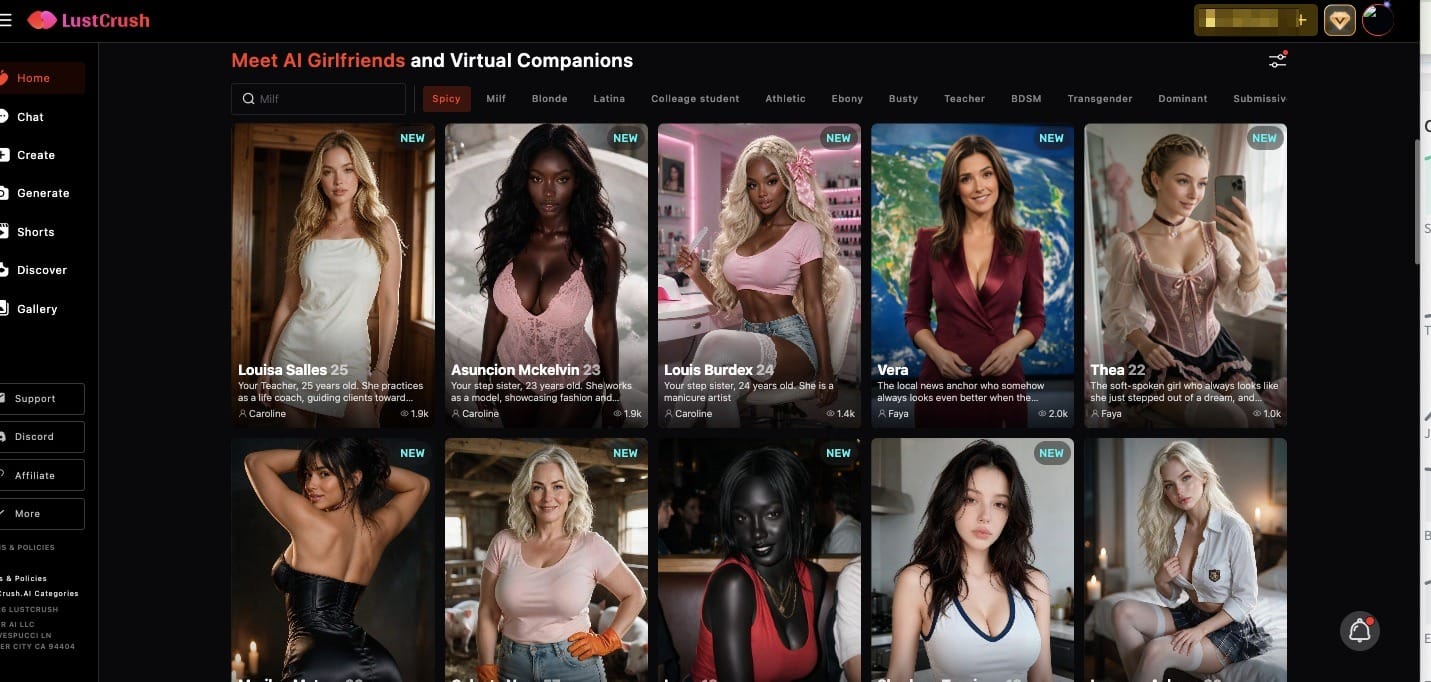
Specificity converts better than vagueness when the user already has a direction.
The search journey is usually layered
A lot of sessions look roughly like this:
- broad curiosity search
- frustration with generic results
- narrower search around a brand, niche, or comparison
- click into a page that finally speaks in practical language
- test the product
By the time someone reaches a comparison or niche guide, they are warmer than a pure cold homepage visitor. They have already burned time. They want a cleaner answer.
That is also why these pages can support each other so well.
A user might:
- read a niche guide
- realize they need a platform with better creation tools
- move into a comparison page
- then enter through a free test path
Or the reverse:
- compare two brands
- notice one supports more custom identity lanes
- jump into a niche page to validate the use case
Internal links matter here because the user is not on a straight line. They are narrowing.
Why generic roundups are losing some power
“Top 10 AI girlfriend apps” content still gets clicks. But users are more skeptical than they were two years ago.
They have seen too many identical lists:
- same five brands rearranged
- same feature buzzwords
- same “best overall” claims with no testing standard
Once that trust erodes, people look for pages that feel more decision-oriented.
Comparison content wins when it is specific.
Niche guides win when they are clear.
Both beat generic cheerleading.
The more mature the market gets, the less users want inspiration and the more they want discrimination: what is different, what breaks, what holds up after the first chat.
What makes a comparison page actually useful

Not every comparison page deserves traffic.
The weak ones do this:
- copy feature tables from marketing sites
- declare a winner without criteria
- ignore free-entry friction
- never talk about memory, filters, or consistency
The stronger ones help users answer a few blunt questions:
- What kind of user is this for?
- Where does it feel better after 10 messages?
- Is the difference about tone, tools, or policy?
- Can I test before I pay?
In adult AI especially, those questions matter more than model-name dropping.
If one platform is better for controlled roleplay and custom setup, say that.
If another is better for softer romantic pacing, say that too.
Users can self-select when the differences are honest.
What makes a niche guide worth ranking

A niche guide should do more than define a term and bolt a CTA onto the ending.
Useful niche pages usually cover:
- what the term actually means
- how people use it in fantasy or character spaces
- where beginners get confused
- what separates a coherent character from a costume
- where to try that dynamic in practice
That is why identity-focused guides keep performing. They reduce confusion and create a bridge into product usage without pretending every reader wants the same thing.
For example, futa content often attracts both curiosity traffic and creation-intent traffic. Some people only want the definition. Others want to know whether a platform can handle that character type without collapsing into generic replies. A good guide serves both without treating them like the same user.
AI mom and family-tension pages work in a similar way. Some users want comfort. Some want taboo edge. Some want both. The page has to acknowledge the dynamic clearly enough that the right users stay and the wrong expectations get filtered out early.
These pages also support free-entry conversion better
One underrated reason comparison and niche content convert is that they pair well with low-friction trials.
After reading, the user does not always want a sales callout. They want to check one thing quickly:
- tone
- memory
- role stability
- whether the fantasy frame feels usable
That is why a free ai girlfriend style entry remains useful next to these articles. Not as a magic SEO phrase, but as a practical next step.
Read the distinction.
Test one character.
Decide if the platform logic matches the page promise.
If the jump from content to product is too hard, the traffic quality gets wasted.
Shorts and chat are becoming part of the same funnel
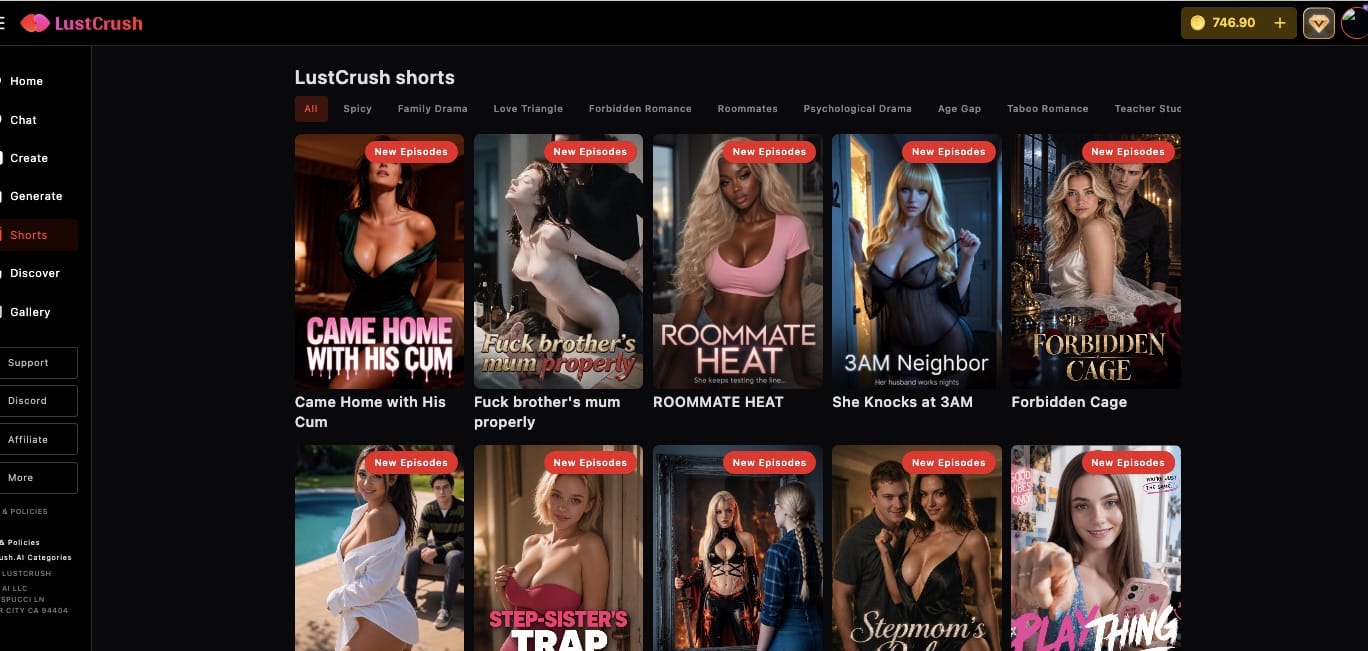
Another shift in 2026 is that users no longer treat chat as the only destination.
Some people discover a dynamic through chat.
Some discover it through short drama-style content.
Some bounce between both.
That means niche and comparison pages can feed more than one action:
- start a related character chat
- create a custom version
- watch adjacent story formats like AI Girl Shorts
When those loops are connected, a single piece of content can support deeper engagement instead of one isolated click.
This is also where multi-format platforms have an advantage over pure chatbot tools. The user can stay inside one ecosystem while changing the mode of interaction.
How publishers should use these pages together
If you are building traffic in this category, do not treat every article like a separate lottery ticket.
Use them as a network:
- comparison pages catch high-intent brand and alternative searches
- niche guides catch specific fantasy and identity searches
- free-entry pages catch users who need proof before commitment
- feature pages like Shorts catch users who want more than text
Then link them like a human would think, not like a bot placing anchors.
A reader comparing brands may next care about whether custom identities are actually supported.
A reader learning a niche term may next care which platform handles that niche with fewer breakdowns.
A reader testing free chat may next care what else exists beyond one conversation.
The best internal links feel like continuity of thought.
What this means for LustCrush content specifically
LustCrush benefits from this structure because the product itself is not one single-lane chatbot experience. It has room for:
- brand comparison decisions
- niche character exploration
- custom creation
- free-entry testing
- visual and short-form extensions
That means content should not only chase the biggest phrase in the category. It should support the ways people already narrow down.
A user who lands on LustCrush vs Lust AI is deciding between product logics.
A user who lands on the futa guide is deciding whether a specific character lane is understandable and usable.
A user who lands on an AI Mom page is deciding whether a family-tension or caretaking dynamic can feel coherent instead of forced.
Those are three different doors into related behavior.
The practical lesson
If your only content strategy is “write another broad best-of list,” you will keep fighting the noisiest part of the market.
If you build stronger comparison pages and clearer niche guides, you catch users closer to action.
That is why those formats still drive AI companion traffic in 2026. They are not old-school leftovers. They match the way people actually reduce uncertainty.
Broad keywords create awareness.
Comparison pages create shortlists.
Niche guides create confidence.
Product experience creates retention.
Most teams overinvest in the first step and underinvest in the middle.
Final take
Comparison pages and niche guides are still traffic engines because they help users make decisions under confusion.
They work when they are specific, honest about tradeoffs, and connected to a product path people can test quickly. They fail when they become generic affiliate filler.
In a market full of similar claims, clarity is a growth channel.
And in AI companionship especially, the winning content is often not the loudest page. It is the page that makes the next click feel obvious.
FAQs
Why do comparison pages still matter in AI companion SEO?
Because many users are choosing between product logics, not just browsing random brand names. Clear tradeoffs reduce decision risk.
Why do niche guides convert well?
They match specific intent. Users looking for a defined character dynamic are usually closer to action than users on broad curiosity terms.
Should every site keep publishing top-10 roundups?
Not as the core strategy. Roundups can attract cold traffic, but comparison and niche pages often handle warmer intent better.
How should comparison pages and niche guides link to each other?
Naturally. If a niche requires stronger customization, point to the comparison or creation path. If a comparison mentions identity flexibility, point to relevant niche examples.
Do these pages still need free-entry paths?
Yes. After reading, many users want a low-pressure way to test tone and continuity before committing.
What is the biggest mistake in this kind of content?
Writing like a brochure. Users want distinctions, failure points, and practical next steps.